If you cannot find psyllium husk or cannot afford almond flour, you are not stuck. You switch binders or you switch the base. The bread is not failing you. The supply chain is.
The same four words arrive from a dozen countries every week. Where can I get psyllium. They write from Sri Lanka, from a small town in North Carolina, from New Zealand, from India, from Algeria. The recipe is open. The bowl is out. The shelf is the blocker.
Psyllium: the binder that is easy to replace
Psyllium husk holds water and gives the crumb something to push against. That is the structural job it does in flourless bread. Its shelf availability is uneven by region, which is a shipping problem, not a shortage. The February 2024 recall of certain psyllium capsules was a labeling correction, not a contamination one. The practical takeaway is to read the label on what you buy.
The good news for the stranded cook is short. Psyllium is one of the more replaceable binders we work with. The full ratio work lives in the psyllium alternatives chart, which walks ground flax and chia by what each does to the crumb. If you cannot source the husk, you are switching binders, not abandoning the loaf.
Almond flour: a cost node as much as a supply node
Almond flour is the second ingredient that strands cooks, and it strands them differently. It is usually findable. It is the flagship flourless base and a commodity, so the price moves. For a fixed-income kitchen the blocker is cost, not shelf.
At the farm level the almond price has been climbing back up. It went from roughly $1.40 a pound at the 2022 trough to about $2.14 a pound in 2024. We name the farm-gate figure because that is what the 2024 USDA NASS preliminary data actually surveyed. The shelf price of finished almond flour varies too much by brand and bag size for one honest number.
The same comment thread that asks where to find psyllium tells us egg-white powder is expensive too. It also tells us almond allergy rules the flour out entirely for some cooks. So the almond node has three exits, not one. Source it. Afford a substitute. Or work around it because your body says no. For the allergy-and-cost case the egg substitution master chart covers the binder side. The almond flour alternatives ranked, oxalate-aware post covers the flour side, with oat and seed bases walked by job and cost.
The geography map: online, local, and nowhere
Sourcing advice that assumes a well-stocked North American supermarket fails most of the cooks who write to us. So the read is geographic. In many regions both ingredients are reliably available online even when no local shop carries them. For those cooks the answer is a search and a shipping wait, not a substitution.
For regions where online ordering is impractical or import costs are prohibitive, the substitution path is not a fallback. It is the plan. A loaf built on a locally available base, with a locally available binder, is the bread that actually gets made. The point of this section is to refuse the single-store answer. No one shop link serves a cook in Lusaka and a cook in Lincoln at once.
What to cook regardless
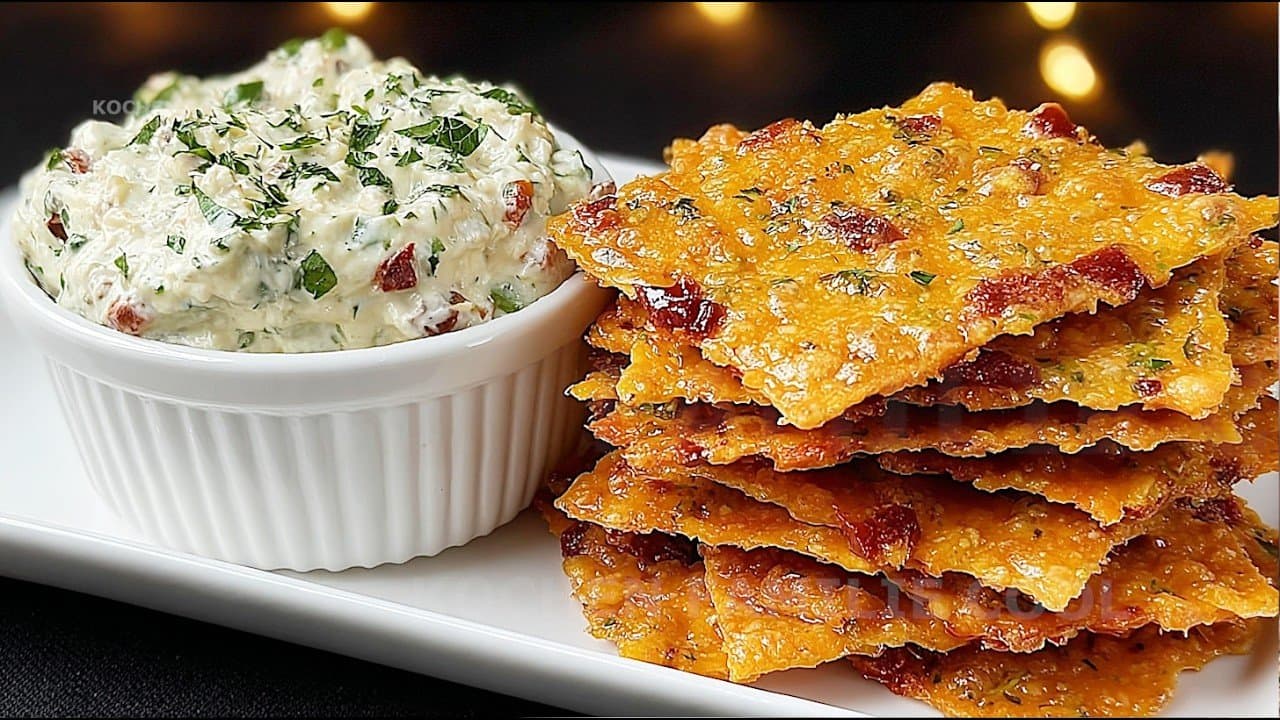
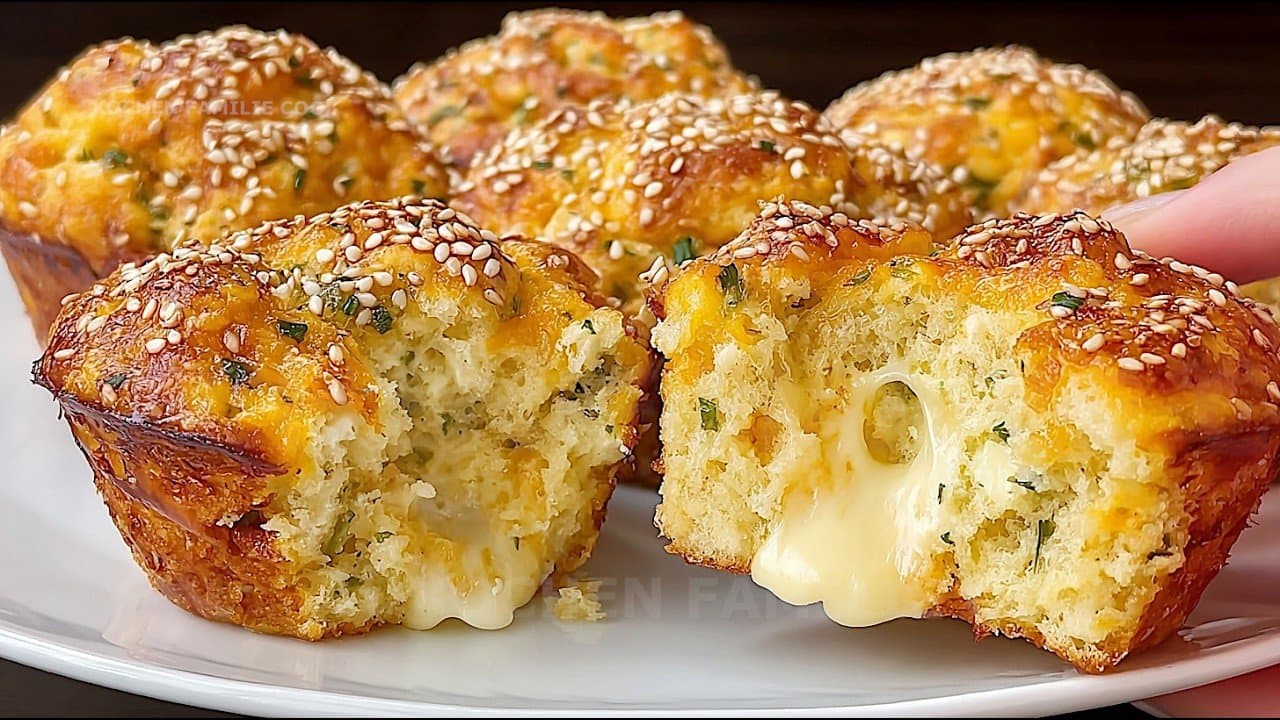
The bread that does not depend on either stranded ingredient is the one to keep in your back pocket. The flaxseed canapé bread uses ground flax for structure and binding. That sidesteps the psyllium question and the almond question together. Our Cook mode walkthrough pins the swap you settled on to its own measuring step. The binder you reached for instead of the husk is the one the screen reminds you to use. For the cook who can source a legume base, the lentil bread is built on a base that travels well and stores cheaply. Neither is a compromise loaf. They are the breads the supply map points to when the shelf says no.
The supply picture changes month to month. That is why we date what we report. The substitution charts, not the shop links, are the durable part of this read. We have tracked psyllium availability since the first supply read and the deep update. The throughline has held. The recipe is portable even when the pantry is not.
Sources
- USDA NASS, 2024 preliminary almond price data; final figures in NASS Noncitrus Fruits and Nuts, expected May 2026. https://www.nass.usda.gov/Publications/Todays_Reports/reports/ncit0525.pdf